
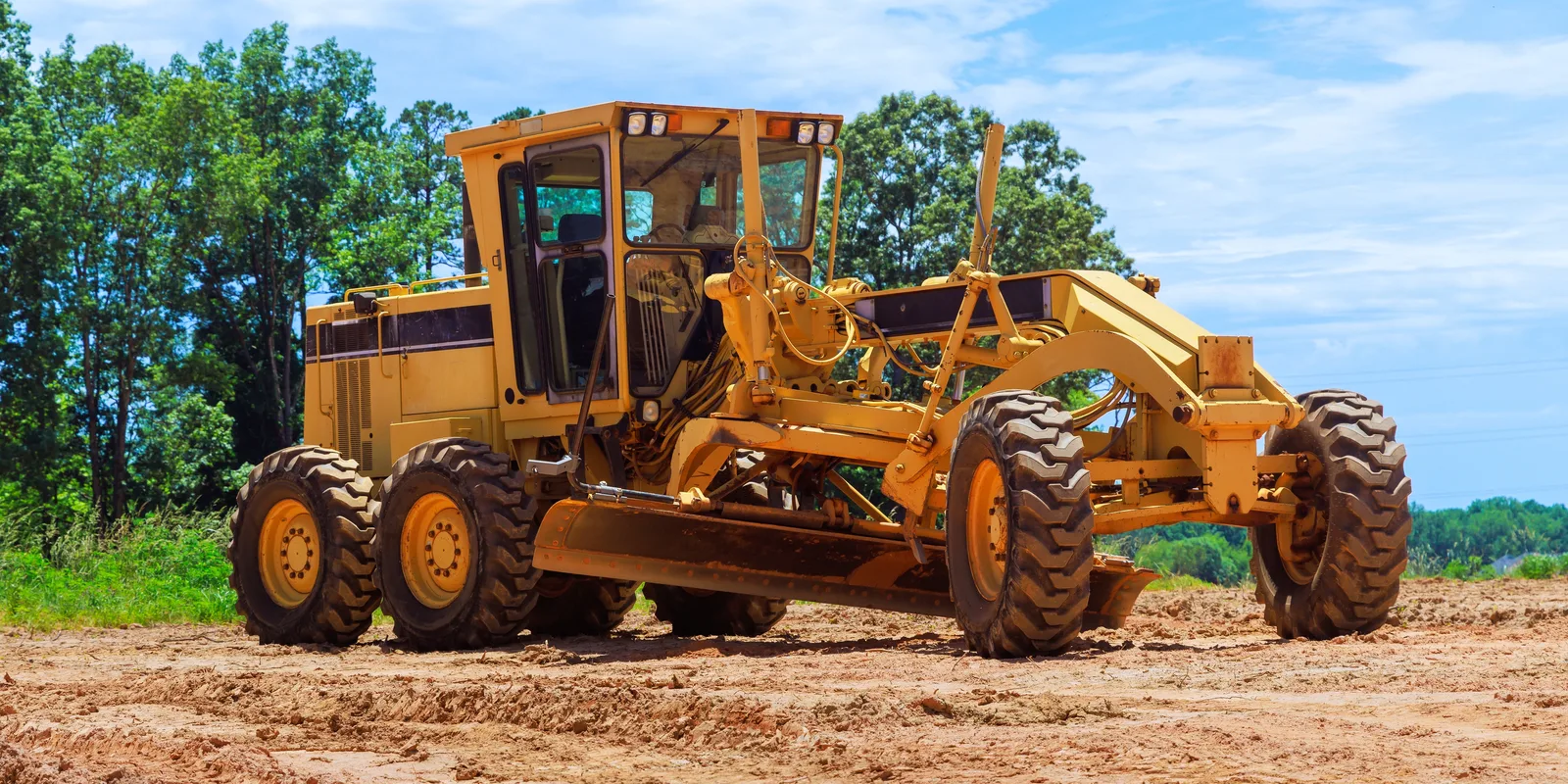

Every record made before a machine leaves the yard exists to settle one specific argument later: what condition it was in, whose it was, what went with it, and who accepted it. Skip the record and each of those is decided by whoever remembers most confidently. That is the whole case for the habit.
Four arguments, and the record that ends each one
The reason to organize this around disputes rather than around a checklist is that it tells you what to capture and what to leave out.
The first argument is condition: the damage was there before, or it was not. The second is identity: this is the machine that left, or it is not. The third is completeness: the grapple went with it, or it did not. The fourth is custody: this person had the machine on that date, or they did not.
Four arguments, four kinds of record, and each one is cheap while the machine is still in front of you and expensive afterward. That is the asymmetry the habit trades on, and it holds whether the machine is going to a subcontract, onto a trailer, into a rental yard or out to a buyer.
Photographs that work as evidence rather than as memory
Most contractors photograph machines. Fewer photograph them in a way that answers questions.
Shoot the same set every time and shoot wide before close. All four sides, both ends, the working end of the attachment, the undercarriage or tires, the cab interior, the meter face. Wide frames establish where the machine was and what was around it; close frames establish detail. A set that is only close-ups proves that a scratch exists somewhere and nothing about which machine or which day.
Two frames carry disproportionate weight. One showing the serial plate legibly, which ties the whole set to a specific machine. One showing the hour meter, which ties it to a specific point in the machine’s life. With those two present, the rest of the set becomes evidence about a known machine on a known day rather than a collection of pictures of a loader.
And photograph the damage that already exists, deliberately and in good light. The temptation is to photograph the machine looking its best, which is exactly backwards — an unrecorded existing dent is the dent you will be asked about.
Reading the plates, and the places they hide
Identity is recorded once and relied on constantly, so it is worth doing properly on a machine you have owned for years and never looked closely at.
Find the serial plate and photograph it rather than transcribing it. Where the frame carries a stamped number as well, photograph that and confirm the two agree. Note engine and attachment serials separately where they exist, since a replaced engine and a swapped attachment are both ordinary events and both make a machine harder to describe. Where a plate is weathered past reading, record that fact now with a photograph of it, rather than leaving somebody to discover it later.
This is the same identity work that the ownership file rests on, and the accuracy of the floater schedule depends on. Doing it once at the gate feeds all three.
Condition, stated in words as well as pictures
Pictures show; words characterize. Both are needed, because a photograph of a hydraulic seam does not say whether it was weeping when the machine left.
Write a short condition line in plain language: what works, what does not, what is worn, what leaks, what is already damaged and roughly how. Half a dozen lines is plenty. The value is that it names conditions a photograph cannot show — a warning lamp, a slow function, a noise on cold start, a machine that pulls to one side.
Where a machine is going out with a known fault, say so explicitly and in writing. A recorded defect is a defect the other party accepted; an unrecorded one becomes a defect you sent them.
The ancillaries that travel loose
The carrier is the thing everybody counts. The loose items are the things that go missing, and they are almost never on any list.
Name each attachment and photograph it separately, with a serial where one exists. Then the rest: buckets, forks, ramps, chains, binders, straps, the pin box, the grease gun, the manual, the spare key, the beacon somebody moved from another machine. Where fluids and filters travel with a machine going to a remote site, note those as well.
The habit that makes this stick is a single named list per machine, reused each time it goes out and checked on the way back. Attachments are where equipment claims come up short most reliably, and a machine returned complete is only demonstrably complete if what left was written down.
Hours, fluids and the mechanical baseline
A departure record with a meter reading on it does two jobs. It fixes the machine’s condition in time, and it makes use measurable — which matters whenever somebody else is running the machine on your behalf.
Note hours, fuel level and the state of the fluids. Note the date of the last service and what is next due, because a machine that comes back past its interval is a maintenance conversation better held with a number in front of it. Where the machine reports telematics, capture the reading from the account as well as from the dash so the two agree from the start.
None of this is about mistrust. It is about the fact that a machine worked hard by somebody else for six weeks is genuinely different from the one that left, and nobody can discuss that difference without a baseline.
Who accepted the machine, and what they accepted
Custody is the argument nobody anticipates and the one most often unresolvable. Fix it with a name and a date.
Whoever takes control signs — the hauler, the subcontractor’s foreman, the customer’s site manager, the rental yard’s counter staff. One line is enough: the machine, the serial, the date, the condition as recorded, received by whom. Give them a copy of the photographs or a link to them, because a record the other party has seen is a record they cannot later say they were never shown.
Where the machine is going out on a trailer, note who is hauling and under whose authority, since the transit exposure and the road exposure belong to different parts of the program depending on that answer.
Real-World Scenario: An excavator goes out on a six-week subcontract and comes back with cracked cab glass and a dented door skin. Both parties are reasonable and neither is lying: the contractor is sure the damage is new, the subcontractor is sure the glass was already starred. The only photographs from the departure were taken into low sun with the damaged side in shadow, and they show a silhouette. The conversation is settled by goodwill rather than by evidence, which works out this time and is not a system.
Where the record has to live to be findable
A record nobody can retrieve is a record that was not made. Organize by machine rather than by date — a folder per serial, with dated sets inside it — so that the question “what condition was that loader in when it went to the north job in March” has an answer somebody other than you can reach.
Keep it off a single phone. Keep the compact units in the same structure as the large ones, even though they move more often and tempt shortcuts hardest. And keep the older sets: a machine’s condition history is the argument for how it has been kept, which matters when it is sold, appraised or claimed.
Making it a habit the yard can keep
The reason this fails is never disagreement about its value. It fails because it sits outside the routine and depends on somebody remembering at the gate.
So attach it to something that already happens. The record gets made when the machine is loaded, by whoever loads it, before the straps go on. Name the person responsible rather than the role. Keep the set small enough to complete in a few minutes, because a thorough process nobody follows produces less than a short one everybody does.
Then use it. Compare the return against the departure the day the machine comes back, not the week the invoice arrives. Where the machine went out under a rental or a hire, the same record answers the questions in that agreement, and the not-owned coverage part turns on exactly the condition facts it captures. Buyers should run the same set in reverse using the used-equipment inspection checklist, and machines that never leave a yard still need the theft controls behind them. To have a schedule read against the records actually standing behind it, send the machine list through the quote form.