

Texas keeps more iron working than any state in this region, from the Houston and Corpus Christi coast through the San Antonio and Austin corridor to the Dallas and Fort Worth metroplex and out to El Paso — and it runs its earthmoving under a state stormwater permit of its own rather than the federal one, while leaving general building work to be sorted out city by city.
Because the rules that reach a machine differ by machine, we give each one its own Texas page rather than pretending a single state page could cover all five honestly. Choose the machine you run and the page will take the Texas specifics from there.
Choose your machine
-
Skid Steer insurance in Texas
No certificate of title — the ownership record is a central UCC filing
-
Excavator insurance in Texas
Chapter 251, forty-eight hours, weekends and holidays left out of the count
-
Backhoe insurance in Texas
Section 541.201, and why standard registration never issues for it
-
Forklift insurance in Texas
Operator training and evaluation under federal OSHA, not a Texas program
-
Dozer insurance in Texas
TXR150000, and how a common plan of development pulls a small site in
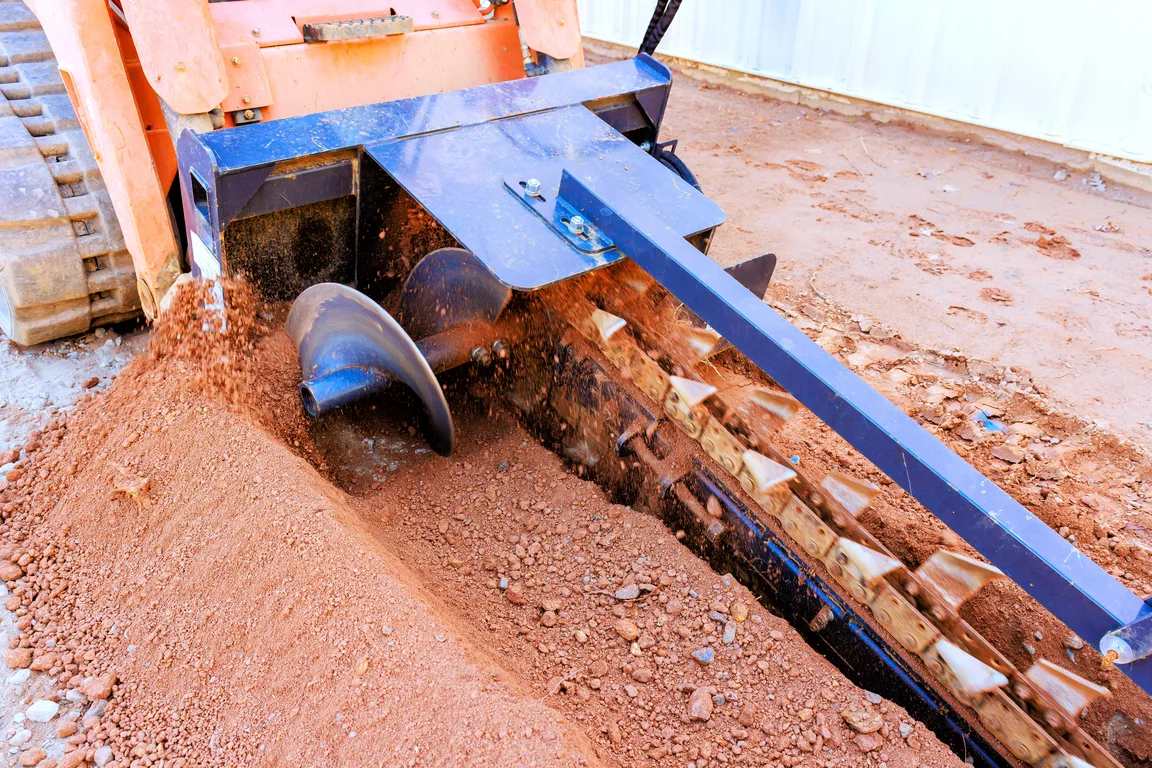
Running something else? We also write trenchers, motor graders, articulated haulers, track loaders, compactors, pile drivers and directional drills — see all equipment we cover.
Who licenses Texas equipment contractors
Texas has no statewide general-contractor license; only specific trades are state-licensed (electrical, HVAC/refrigeration, and irrigation through TDLR; plumbing through TSBPE), while general building work is regulated by municipal registration and permitting.
A trade credential and a municipal registration both stop at the edge of what they name, so the duties that follow a machine from one job to the next are statutory ones — and that is exactly where each of the per-machine pages above begins.
How coverage is placed
Every machine above sits on the same core lines, and only the first is a condition of writing you: the equipment floater for the machines you own, rented and leased equipment for the ones you do not, general liability for damage the work does to others, commercial auto for the trucks and trailers, and workers compensation for the crews. We place them monoline — no package required.
Primary sources
We do not link a Texas licensing document here. The pages beneath this one carry the statute, permit and safety-authority sources for the rules that actually reach each machine.
The statute, permit and safety-authority sources behind each machine sit on that machine’s Texas page above, where the rule actually applies.
Texas equipment insurance FAQs
Do you cover contractors in every part of Texas?
Yes — Equipment Guard Insurance places heavy equipment and contractors equipment schedules statewide, from Houston and Corpus Christi to San Antonio, Austin, Dallas and Fort Worth and west to El Paso. Everything is written monoline, so the machines carry their own policy rather than being folded into a package.
What iron will you put on a Texas schedule?
Skid steers, excavators of every size class, backhoes, rough-terrain forklifts and telehandlers, and dozers each hold their own Texas page. Trenchers, motor graders, articulated haulers, track loaders, compactors, pile drivers and directional drills go on the same schedule without a separate page of their own.
Is there a Texas contractor license for equipment work?
Not a general one. The state licenses named trades — electrical, HVAC and refrigeration and irrigation through the Department of Licensing and Regulation, and plumbing through the State Board of Plumbing Examiners — while general building work is handled through municipal registration and permitting. So a crew running machines answers to city hall for the credential and to statute for the machines.
Why does Texas get five machine pages rather than one?
Because each machine answers to a different body of law. Ownership of a skid steer turns on a filing question, an excavator on the underground facility damage prevention chapter, a backhoe on the transportation code definition, a forklift on federal safety standards, and a dozer on a state discharge permit. Compressing five bodies of law into one page means shortchanging four of them.
What does Texas require before an excavation starts?
At least forty-eight hours of notice, with Saturdays, Sundays and legal holidays excluded from that count, under chapter 251 of the Utilities Code at § 251.153. The call goes to Texas811, the notification corporation that routes it to the facility operators. The excavator page follows the ticket, the marks and the tolerance zone from there.
Can I keep my other coverage where it is?
Yes, and most people do. We write equipment as its own line, so an existing general liability or business policy stays untouched while the schedule is placed. Nothing else has to move for the machines to be insured properly.