
Wisconsin equipment insurance is priced on a calendar. A short season concentrates the exposure, and the four decisions that move a renewal — the list you fix in late winter, the tickets you pull in spring, the machines you rent at peak, the yard you leave loaded in December — sit on that calendar, not on the quote.
Late winter: the review nobody schedules
The best month to fix a schedule is the one where nothing is moving. Machines sold last season are still listed, attachments bought in July never made it on, and values have been carried forward out of habit. February is when that is cheap to correct and August is when it is not.
Value basis deserves the same attention. Actual cash value settles net of depreciation; an agreed or replacement basis settles against what was recorded at binding. A mixed list across an aging fleet is normal and correct — what is not correct is a basis inherited rather than chosen. That decision lives on the equipment floater, which we place as a standalone policy rather than as one line inside a package.
Attachments are the half of the fleet that goes uncounted, and late winter is the only time they are all in one place. Buckets, breakers, augers, forks, grapples and brooms migrate between carriers and between crews through a season, and a list that names only the machines routinely understates what is actually at risk. Where an attachment carries a serial plate, record it; where it does not, a purchase record and a photograph do more work at claim time than a line reading assorted attachments ever will.
Late winter is also when credentials get renewed. Wisconsin issues no statewide commercial general-contractor license; only one- and two-family dwelling construction requires state paper, through the state safety and professional services department’s dwelling contractor qualifier credential alongside a business certification. Commercial work is regulated through permits and trade credentials instead, which means the credential is not a shortcut an underwriter can lean on.
Spring: thaw, soft ground and the first tickets
The season opens on ground that will not hold what it held in November. Frost coming out leaves fill saturated and trench walls unreliable, and the overturn and sink losses that follow are concentrated into a few weeks rather than spread across the year.
Spring is also when the first dig tickets go in. Under Wis. Stat. § 182.0175(2), notice must be given not less than three working days before a nonemergency excavation begins, through the statewide one-call system under utility commission oversight. Three working days is longer on a real calendar than most neighboring windows once a weekend lands inside it, which is why Wisconsin crews tend to build the ticket into the job plan rather than into the week before.
The consequence of getting that wrong is not primarily an equipment claim. A strike produces a service outage, an emergency repair and a third-party loss, all of which run through general liability. The Wisconsin excavator page works the notice sequence through.
Early summer: the rental spike
By June the fleet you own is the wrong size for the work you have. Wisconsin’s season is compressed enough that almost every contractor rents through the peak, and rented iron is the most common uninsured exposure we find in this state.
A rental contract typically makes you responsible from the moment of delivery until the unit is returned — physical damage, theft, and in many cases loss-of-use charges while the machine is off the rental line. An owned-equipment list answers for exactly the machines on it and nothing else. Rented and leased equipment coverage answers for the rest, and the limit belongs at the size of the largest unit you might take in your busiest month rather than the one you take most weeks.
Real-World Scenario: A utility contractor around Madison rents a larger excavator for three weeks in July to keep a bid on schedule, having never taken anything bigger than what sits in the yard. The rented machine is the one the crews know least well, and it is the one that gets damaged — a boom contact during a tight lift on a congested street. The owned fleet is untouched. The rental agreement is where the conversation goes, and it goes there in the busiest fortnight of the year, which is when a coverage question is hardest to answer calmly.
Midsummer: crews, lifts and the yard
Peak season puts more people around more machines than any other time of year, and that exposure lands in two policies at once. Ground-crew injuries around loaders and lift equipment run through workers compensation and through the liability layer together.
Wisconsin is under federal OSHA for private-sector employers, as recorded in the agency’s list of state plans, so powered-industrial-truck operator training and evaluation requirements apply as the federal standard with nothing to reconcile against a state program. What matters to a file is documentary: operator qualification records, evaluation dates and refreshers are what an underwriter asks for once a lift injury appears, and the Wisconsin forklift page sets the standard out.
Late summer into fall: open ground and runoff
Grading work that has been open all summer meets the wettest part of the schedule as it closes. Wisconsin administers its own construction stormwater general permit through the state natural resources department, described on its construction site storm water permits page, at a disturbance trigger of an acre or more.
It is a compliance obligation and not a rating input, but it marks a real threshold. Sites past it run longer, hold more machines standing between phases, and leave graded ground exposed through the season’s heaviest rain. Underwriters price duration and accumulation directly, and a dozer-heavy list meets both first. The Wisconsin dozer page works through the permit structure.
Fall: moving iron before the roads change
The end of the season is a haulage season. Machines come off jobs around Milwaukee, Green Bay, Kenosha, Racine, Appleton and Eau Claire and go back to yards, and loading and unloading produce a share of equipment damage out of all proportion to the time they take.
Wisconsin exempts self-propelled construction equipment from ordinary registration and treats heavier machines moved on highways under separate provisions, but the state does not carry a single cleared statutory document we cite for that treatment here. Where a state names the category expressly in its motor-vehicle code, the definition does the boundary-drawing outright — our Utah cost guide shows what that looks like on the page. Either way the policy line is the same: the truck and trailer answer to commercial auto, and the machine while it is chained down answers to transit and trailer transport.
Winter: the yard is full and nobody is there
December through March is when a Wisconsin yard holds the whole fleet and sees the least traffic. That combination is what makes storage the control an underwriter asks about most precisely here — fencing, lighting, key discipline, and whether a tracking unit is on the machine rather than on the trailer.
Consistency is what an underwriter is actually testing with those questions. A yard that is locked most nights and open on the nights a crew works late is described honestly as the second thing, not the first, and the difference shows up in a claim file rather than in a quote. The same applies to lighting and to who holds keys over a long holiday break — the answers are cheap to make true and expensive to have wrong.
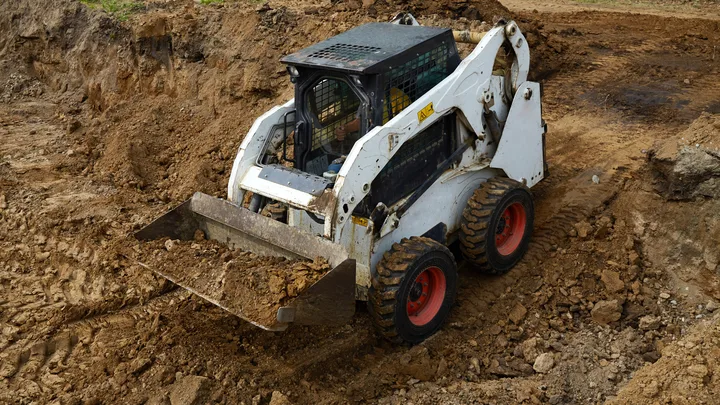
Ownership proof matters at the same moment. A skid steer is untitled construction equipment, so a lender perfects a security interest by filing with the state financial institutions department rather than the secretary of state, an arrangement its uniform commercial code guidance sets out and one that surprises contractors moving in from neighboring states. After a theft, the bill of sale, the serial number and that filing are what establish the machine was yours. The Wisconsin skid steer page covers the mechanics.
The renewal lands in the quietest month
Renewals here tend to fall where the season does not, which is a genuine advantage. The underwriter is reading four things: the loss run, whether the list matches the yard, how far the work ranged, and what the controls actually are. Frequency reads worse than severity every time, because a run of small claims describes a practice and one large claim can be circumstance.
None of those four is a market condition, and all four are set months before the renewal date. If you want a read on where a Wisconsin list currently sits, send it through the quote form; the Wisconsin location page covers how the state sits around it.