
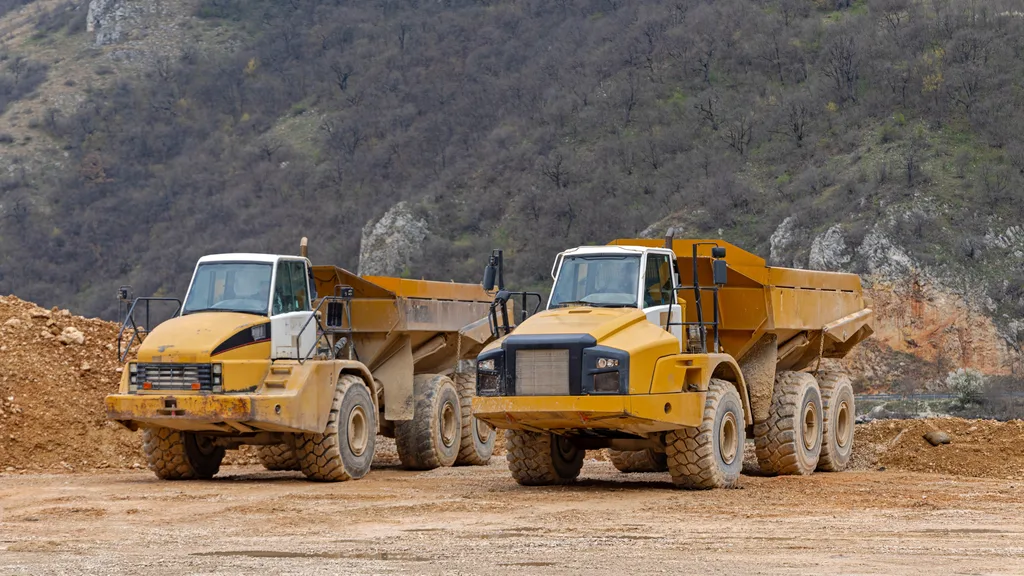

Michigan prices equipment work stage by stage rather than all at once. The same machine reads differently at bid, on the trailer, on the first morning of a dig, through the idle weeks in the middle, and on the day it comes home. Walk a job in order and the drivers appear where they actually live.
Before the bid: what the state asks you to be
Michigan issues no single unified general-contractor license, and that shapes the first conversation. The Bureau of Construction Codes inside the Department of Licensing and Regulatory Affairs licenses residential builders and maintenance-and-alteration contractors for residential projects above a statutory value threshold. Commercial general contracting is left to local regulation.
For an equipment buyer the consequence is indirect and real. Where a statewide commercial credential exists, an underwriter can treat it as a rough proxy for vetting and move on. Michigan offers no such shortcut on the commercial side, so the questions arrive at your desk instead: how long the operation has run, what the work actually consists of, who sits in the seats, and what the loss record looks like.
Local registration also varies from market to market — Detroit, Grand Rapids, Warren, Sterling Heights, Ann Arbor, Lansing, Flint and Kalamazoo each maintain their own arrangements for the trades they regulate. That is a compliance question rather than a rating one, and the Michigan location page is the better starting point for it.
Bid stage is also when the honest description of the work gets written down, and that description outlives the bid. A contractor who describes the operation as site work and then spends the season on utility trenching has not lied about anything; they have simply left the file describing a job they no longer do. Every stage below is read against that description, so it is worth writing to the season you are actually about to have rather than the one that just ended.
Mobilization: the hour the iron is least protected
A machine on a trailer is a machine outside the fence, and loading and unloading is where a meaningful share of equipment damage happens. It is also the moment contractors most often assume a policy they do not have.
Three coverage parts meet here and they are not interchangeable. The equipment floater answers for the machine itself. Transit and trailer transport answers for it while it is being loaded, hauled and set down. Commercial auto answers for the truck and trailer doing the hauling, and it does not follow the load onto the deck.
Self-propelled construction machinery in Michigan is treated as special mobile equipment under the state vehicle code rather than as an ordinary registered vehicle — machinery only incidentally moved over highways. We state that qualitatively here because the road-operation mechanics belong on the Michigan backhoe page, where they are set out against the statute in full.
The notice window that opens before the first cut
Excavation in Michigan runs on a notice window with two boundaries rather than one deadline. Under Mich. Comp. Laws § 460.725, notice must be given to the statewide system at least seventy-two hours before blasting or excavation begins, and not more than fourteen calendar days before, with those seventy-two hours excluding hours falling on nonbusiness days.
The near end is stated in hours and the far end in calendar days, and those two units behave differently around shutdowns and holidays. A ticket pulled going into a quiet week does not accrue hours the way a scheduler expects, and a ticket pulled against a start date that later slips can age past its far boundary while everyone assumes it is still good.
Utility strikes are the exposure that runs through general liability rather than the equipment line, because the machine damage is usually the smaller half. The Michigan excavator page works through the notice mechanics in detail.
The middle weeks, when the machine is standing still
Long jobs generate long idle periods, and idle iron is where theft and weather exposure concentrate. Where a machine sleeps between phases is one of the few schedule facts a contractor can change, and underwriters weigh it accordingly.
The controls that answer the idle period are unglamorous and they work: a gated yard rather than an open site between phases, keys removed and kept away from the machine, a tracking unit fitted to the machine itself rather than to the trailer that hauls it, and consistent overnight arrangements that match what the application says. None of that is exotic and all of it changes recovery odds, which is the thing an underwriter is actually pricing.
Ownership proof deserves a paragraph of its own, because construction equipment is untitled. There is no certificate to produce after a loss. What proves the machine was yours is the purchase record, the serial number as it appears on the schedule, and any financing statement filed against it — in Michigan through the Secretary of State’s UCC office. The Michigan skid steer page carries the compact-loader version of that mechanic.
Real-World Scenario: A grading contractor picks up a second loader at a spring auction, hauls it straight to an active site and works it through the season because the crew is short-handed and nobody wants to lose a week. The machine does what it was bought to do. Months later it is damaged badly enough to stop work, and the first question is when it reached the schedule — which it never did, because the purchase was reported to the accountant and not to the policy.
Work that moves indoors
Many equipment contractors take at least some indoor work, and the moment a lift truck appears the exposure changes shape. Michigan operates an OSHA-approved State Plan covering private-sector employers, so operator training, evaluation and enforcement for powered industrial trucks run through the state program.
The insurance relevance is documentary rather than regulatory. Operator qualification files, evaluation dates and refresher records are what an underwriter asks for after a lift-related injury shows up in a loss run, and they are what a defense later rests on. A crew that trains well and records nothing is indistinguishable on paper from a crew that does neither. That exposure runs through workers compensation and the liability layer at the same time, and the Michigan forklift page sets out the standard.
Open ground, and the approval that has to come first
Michigan handles construction stormwater differently from most states, and the difference is one of sequence. Coverage is folded into a permit-by-rule that depends on first obtaining a soil-erosion permit, so the environmental obligation is ordered rather than parallel — one approval has to exist before the other means anything.
No document is cleared for surfacing on that point here, so we describe it qualitatively and link nothing for it; the Michigan dozer page carries the sourced version. The reason it belongs in a cost article at all is that jobs reaching this stage tend to run longer, hold more machines on site between phases, and leave graded ground exposed to weather. Duration and accumulation are quiet drivers on an earthmoving schedule.
Demobilization, and the iron that was never yours
Rented and borrowed machines are the most common uninsured exposure we find, and they are most exposed at the end of a job rather than the start. A rental contract typically makes you responsible from delivery through return — damage, theft, and in many cases loss-of-use charges while the unit is off the rental line. An owned-equipment schedule answers for none of it.
Rented and leased equipment coverage is the answer, and the limit belongs at the size of the largest unit you might realistically take during a busy month rather than the one you take most weeks. The peak-season rental is the one that finds the gap.
What the file remembers after the job closes
A renewal is not a fresh look at your operation. It is a reading of the file the year left behind: which machines were added and when, whether the schedule still matches the yard, whether notice records exist for the digs, whether the operator evaluations were signed, and how the losses fell — frequency reading worse than severity every time.
Read that way, the renewal stops being a mystery and becomes a set of habits with dates attached. The contractor who adds a machine the week it arrives, keeps ticket copies where somebody other than the foreman can find them, and stores iron the same way in October as in June is producing a better file continuously rather than assembling one under pressure in the last fortnight before expiry. The dozer cost guide covers the earthmoving end of that habit.
None of that is a market condition, which is the useful part. If you want a read on where a Michigan schedule currently sits, send the machine list through the quote form and we will work it against the stages above.